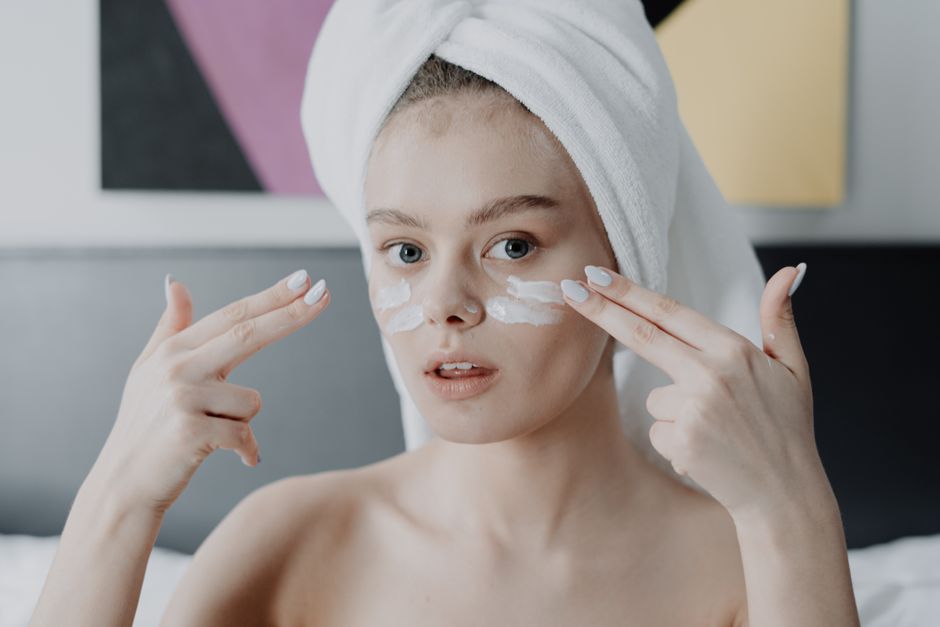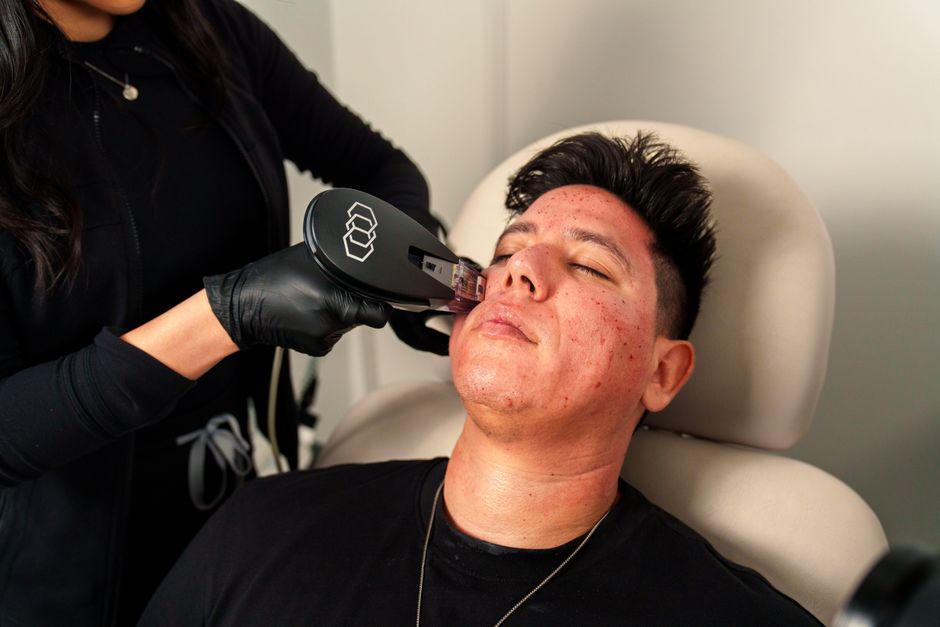
Explore laser resurfacing, chemical peels, and photorejuvenation for smoother skin. Learn what works best for acne scars, hyperpigmentation, and texture issues in Texas.
If you’re dealing with rough texture, acne scars, or uneven skin tone, skin retexturing treatments are designed to help. Texas has several options available, and understanding what each one does will help you make the right choice for your skin goals.
Skin retexturing works by removing the outer layer of dead or damaged skin cells and stimulating your body’s natural healing response. This reveals fresher, smoother skin underneath and can address issues ranging from sun damage to scarring. The good news? There’s no one-size-fits-all solution, and that’s actually a strength.
What Are Skin Retexturing Treatments?
Skin retexturing treatments are professional procedures designed to improve the surface texture and appearance of your skin. They work by either physically removing damaged skin cells or triggering your skin’s natural renewal process.
The most common types include laser resurfacing, chemical peels, and photorejuvenation. Each approach has its own strengths depending on your skin type, the severity of your concerns, and your downtime tolerance.
When you’re exploring these options, it helps to work with a provider who understands your full health picture. Urban Well Medspa takes a holistic approach to skin health, combining aesthetic treatments with personalized wellness guidance to ensure your skin results actually last.
Related: Women’s Wellness Aesthetic Medicine: A Complete Guide
Related: Best Medical Spa Lake Jackson: Complete Wellness Guide
Related: Medical Spa for Women in Brazoria County: Complete Guide
Related: Skin Rejuvenation Treatments in Brazoria County
Laser Resurfacing for Smoother Skin
Laser resurfacing is one of the most effective ways to retexture your skin. The laser removes dead skin cells layer by layer, revealing the healthier skin beneath. It also stimulates collagen production, which tightens and firms your skin over time.
This treatment works well for acne scars, stretch marks, hyperpigmentation, and overall texture refinement. You’ll typically see improvement within a few weeks, with continued results developing over several months as collagen rebuilds.
The recovery time depends on how aggressive the treatment is. Some laser options have minimal downtime, while others may require a few days of healing. Your provider will recommend a specific approach based on your skin and goals.
Chemical Peels: A Targeted Approach
Chemical peels use a solution to dissolve the outer layers of skin, triggering a controlled healing response. They’re excellent for addressing hyperpigmentation, evening out skin tone, and improving overall texture.
The depth of the peel determines how intense the results will be. A lighter peel might require just a day or two of downtime, while a deeper peel can take a week or more to fully heal. Your skin care provider will discuss which strength makes sense for your concerns.
Chemical peels are particularly popular because they’re versatile. They can be customized to target specific problem areas or treat your entire face, and they work on most skin types when performed by an experienced professional.
Photorejuvenation: Light-Based Renewal

Photorejuvenation uses light energy to improve skin texture without removing the outer layer. This makes it a gentler option with minimal downtime, though results may develop more gradually than laser or peel treatments.
This approach is great if you want consistent, subtle improvements over time. It addresses hyperpigmentation, mild scarring, and overall skin tone without the recovery period of more aggressive treatments.
Many people appreciate photorejuvenation because they can return to their normal routine immediately. If you have a busy schedule or prefer gradual results, this might be worth exploring.
Addressing Specific Skin Concerns
Different retexturing treatments excel at different problems. Acne scars respond well to laser resurfacing and deeper chemical peels because these methods can reach into the scar tissue. Hyperpigmentation and uneven tone usually improve with chemical peels or photorejuvenation.
Stretch marks can fade with laser resurfacing, though results vary depending on how old the marks are and how deep they run. Texture issues from sun damage typically improve with any of these treatments.
The key is matching the treatment to your specific concern. That’s where working with someone who evaluates your skin carefully makes all the difference. A good provider will recommend the most effective option for your situation, not just the most expensive one.
Post-Treatment Care Is Critical
Your results depend heavily on what you do after your treatment. Protecting your skin from the sun is non-negotiable. New skin is more vulnerable to UV damage, and sun exposure can reverse your progress or cause complications.
You’ll also want to follow a tailored skincare routine that supports healing. This might include specific cleansers, hydrating products, and treatments that soothe your skin as it recovers. Your provider should give you detailed aftercare instructions and recommend products that work for your skin.
Professional facials combined with at-home skincare protocols help maintain your results long-term. Many people find that regular maintenance treatments keep their skin looking fresh and prevent new texture issues from developing.
Related: Medical-Grade Facials for Skin Rejuvenation: A Complete Guide
Related: Hormone Therapy and Weight Loss Services: A Complete Guide
Related: What Is a Doctor Weight Loss Clinic? A Complete Guide
Finding the Right Treatment Plan for You
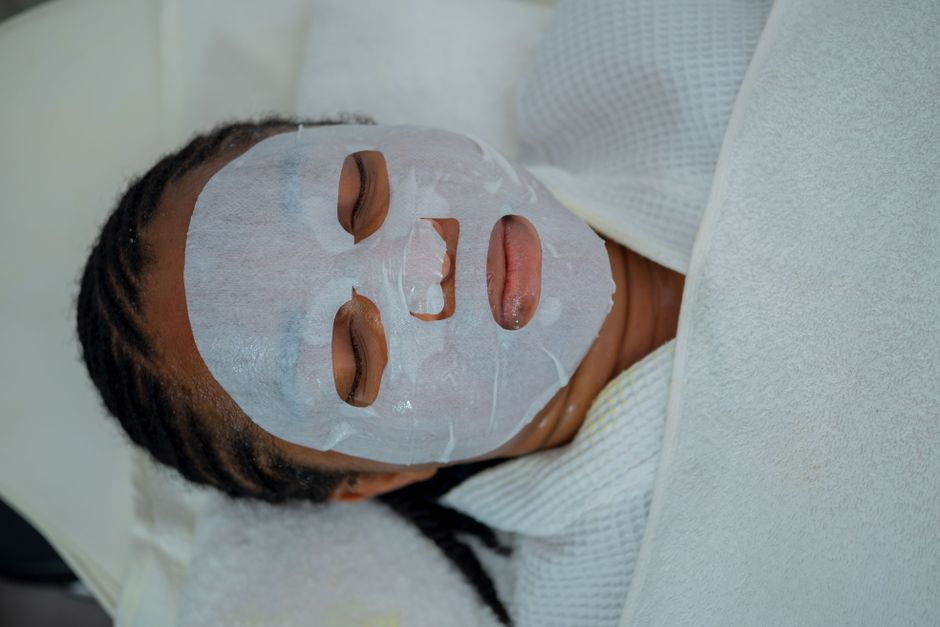
The best retexturing treatment depends on your skin type, your specific concerns, the severity of damage, and how much downtime you can handle. What works beautifully for your friend might not be ideal for you.
A thorough consultation is essential. A qualified provider will assess your skin, discuss your goals, and explain what you can realistically expect. They’ll also talk about combination approaches, since pairing treatments sometimes delivers better results than one method alone.
When you’re ready to explore retexturing options in Texas, Urban Well Medspa offers professional evaluation and treatment planning. The team takes time to understand your skin’s unique needs before recommending a path forward, ensuring you get results that actually match your expectations.
Combining Retexturing With Overall Wellness
Here’s something most places don’t talk about: your skin reflects your overall health. Your nutrition, hydration, sleep, and stress levels all show up on your face.
That’s why the best retexturing results come when you support your treatment with solid wellness habits. Staying hydrated, eating nutrient-dense food, managing stress, and getting good sleep all accelerate healing and improve how your skin responds to professional treatments.
Some providers approach skin care in isolation. Others, like Urban Well Medspa, integrate aesthetic treatments with holistic health support. If you want your retexturing investment to pay off long-term, working with someone who considers your whole health picture makes a real difference.
Timeline: When Will You See Results?
Results don’t happen overnight, though you might notice some improvement within days. Here’s a realistic timeline.
After laser resurfacing or a chemical peel, you’ll see initial improvements within 1-2 weeks as swelling goes down. Real results develop over the next 2-3 months as your skin produces new collagen. Photorejuvenation works more gradually, with noticeable changes usually appearing over 4-6 weeks.
Most people benefit from a series of treatments rather than a single session. Your provider will recommend a treatment schedule that builds results over time.
Getting Started With Professional Retexturing
The first step is a consultation with someone who specializes in skin retexturing. They’ll examine your skin, listen to your concerns, and recommend treatments tailored to your needs.
Be honest about your expectations and your willingness to follow aftercare instructions. The providers who get the best results are those whose patients stay committed to the full treatment plan and protect their skin afterward.
If you’re in the Lake Jackson or Brazosport area and ready to explore retexturing options, Urban Well Medspa can walk you through what’s available and what makes sense for your skin.
Understanding the Medical Spa Advantage
Medical spas blend clinical expertise with aesthetic skill. You get the precision and safety standards of a medical setting combined with the personalized attention of a spa environment.
This matters when you’re considering retexturing treatments. These aren’t casual procedures, and they deserve to be performed by someone with both medical training and aesthetic experience. Medical spa providers understand how to manage complications, adjust treatments for different skin types, and integrate your aesthetic goals with your overall health.
When evaluating where to have your treatment done, look for providers with clear credentials, detailed consultation processes, and realistic explanations of what to expect. That foundation of trust makes the entire experience better.
How long does recovery take from laser resurfacing?
Recovery time varies depending on the intensity of the laser treatment. Light laser treatments might involve minimal downtime, with just some redness for a few days. More aggressive treatments can require 7-10 days of healing, during which your skin will be red and may feel sensitive. Your provider will give you a specific timeline based on which laser setting they use.
Can skin retexturing treatments work on all skin tones?
Yes, but the approach needs to be carefully customized. Different skin tones respond differently to various treatments, and some methods carry different risks depending on your skin type. A qualified provider will select treatments and settings specifically suited to your skin, which is why the consultation process matters so much.
How often can you get retexturing treatments?
It depends on the treatment type and the intensity. Some light treatments can be repeated every 2-4 weeks, while more aggressive procedures require longer spacing to allow your skin to heal fully. Your provider will recommend a schedule that builds results safely without over-treating your skin.
Will results from retexturing treatments last?
Results are long-lasting, but not permanent. Your skin continues to age and can be damaged by sun exposure again over time. Many people do maintenance treatments once or twice a year to keep their results looking fresh. How long your results last depends on your skincare routine, sun protection, and overall wellness habits.