Medical-grade facials deeply rejuvenate skin beyond standard treatments. Learn how they work, what to expect, and which concerns they address.
Medical-grade facials for skin rejuvenation are the real deal when it comes to transforming your skin at a clinical level. Unlike a standard facial, these treatments combine professional-strength products, advanced techniques, and often technology-driven modalities to deeply cleanse, exfoliate, and rebuild your skin from the inside out. If you’ve been wondering whether they’re worth the investment, the answer is yes—especially if you’re dealing with specific skin concerns that over-the-counter products just won’t touch.
What Makes Medical-Grade Facials Different
The main difference between a medical-grade facial and a standard spa facial comes down to formulation strength, technique depth, and professional oversight. Medical-grade facials use serums, peels, and active ingredients at concentrations that are only available through licensed professionals. Your esthetician or dermatologist isn’t just massaging your face—they’re using scientifically calibrated products and sometimes technology like lasers or microneedling to create real, measurable change in your skin.
A standard facial might feel amazing and leave your skin temporarily glowing. A medical-grade facial actually changes your skin’s structure over time. That’s why consistency matters. You typically see results after 3 to 6 treatments spaced a few weeks apart, and the improvements compound as your skin heals and regenerates.
The Core Treatment Modalities
Medical-grade facial treatments usually fall into a few main categories, and your provider might combine them based on your unique skin type and concerns.
- Chemical Peels: Professional-strength acids (like glycolic, salicylic, or lactic acid) dissolve the outermost layer of dead skin, revealing fresher, brighter skin beneath. Your provider controls the strength and duration, so it’s safe but effective.
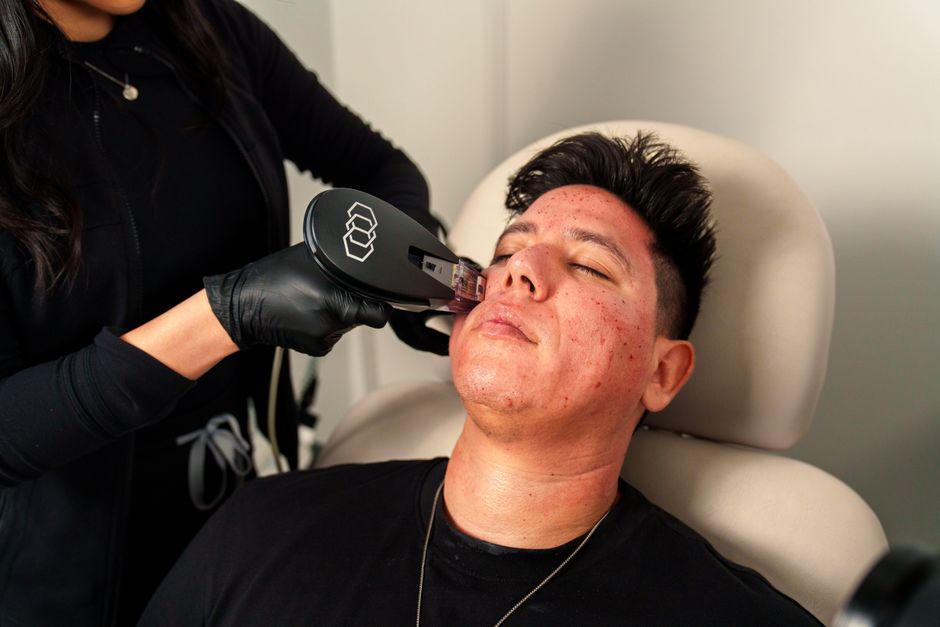
- Laser Treatments: Laser energy penetrates deeper into the skin to stimulate collagen production, fade discoloration, and smooth texture. Different laser wavelengths target different concerns—some are better for redness, others for age spots or scars.
- Mechanical Resurfacing: Microdermabrasion or similar techniques physically exfoliate the skin’s surface using fine crystals or diamond tips. It’s gentler than it sounds and works well for texture and mild scarring.
- Customized Combinations: Often, your provider will blend these modalities. You might get a light peel plus microneedling, or a laser treatment followed by targeted serums. The mix is tailored to your skin’s specific needs.
What Skin Concerns Can Medical-Grade Facials Address
One reason medical-grade facials have become so popular is that they’re customizable. Your provider isn’t limited to one approach—they can design a treatment plan that targets exactly what’s bothering you.
Fine Lines and Wrinkles: Peels and laser treatments stimulate collagen, which plumps your skin and softens the appearance of lines. Younger wrinkles respond faster than deep creases, but consistent treatment does make a visible difference.
Acne and Acne Scars: Professional peels clear active breakouts by unclogging pores and reducing bacteria, while laser and microneedling treatments can smooth out scarring by rebuilding collagen underneath.
Uneven Texture and Tone: If your skin feels rough or looks blotchy, exfoliating peels and laser resurfacing even out the surface and boost cell turnover. You’ll notice your skin feels smoother and looks more uniform.
Age Spots and Hyperpigmentation: Laser treatments are particularly effective here. They target melanin directly, fading dark spots without damaging surrounding skin. This usually requires multiple sessions but the results are worth it.
Large Pores: Laser energy tightens the skin around pores, making them appear smaller. Combined with regular exfoliation to keep them clear, you’ll see a tighter, more refined complexion.
Rosacea and Melasma: These conditions respond well to gentle laser treatments and barrier-supporting facials that reduce inflammation and even out skin tone. Your provider will be conservative with strength but consistent with follow-ups.
Dryness and Dehydration: Sometimes you need less aggressive exfoliation and more intensive hydration. Medical-grade facials can include hyaluronic acid serums, peptide infusions, and nourishing masks that penetrate deeper than home treatments.
What Happens During a Medical-Grade Facial

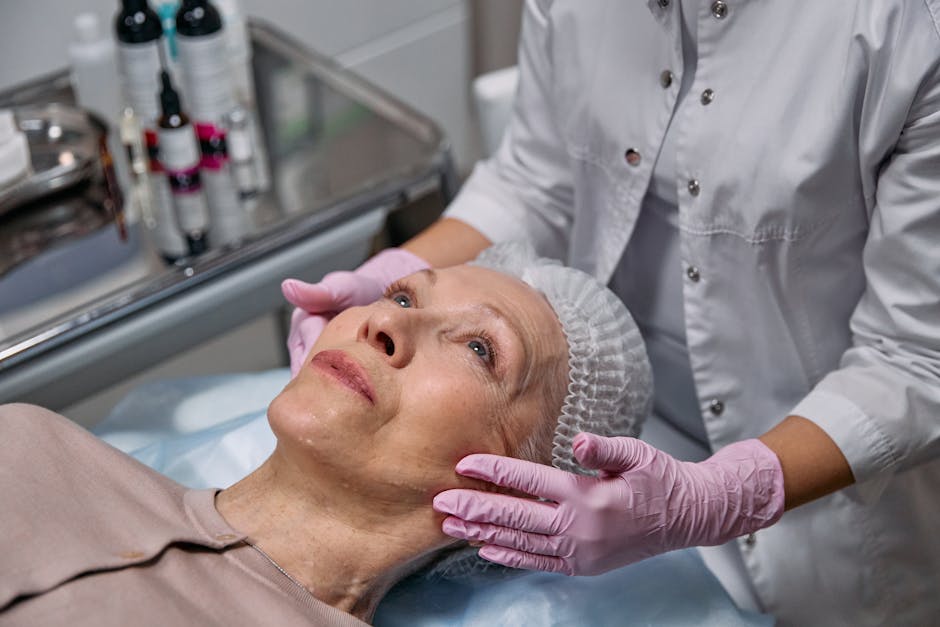
Your first appointment usually includes a thorough skin assessment. Your provider will ask about your medical history, current skincare routine, sun exposure, and what you’re hoping to achieve. This isn’t just formality—it’s how they decide which modality and strength will work best for you.
Then the treatment itself. Your skin will be cleansed thoroughly. If a peel is involved, the solution goes on and you’ll feel mild tingling or warmth—not pain, but definitely a sensation. Your provider monitors how your skin responds and removes the peel at the right moment. If lasers are being used, you’ll hear a clicking sound and feel quick pulses of heat. It’s tolerable and usually painless.
After treatment, your skin might be slightly red or feel tight. Your provider will apply soothing serums and sunscreen, and they’ll give you detailed aftercare instructions. This is crucial—you’ll need to avoid sun exposure, skip active ingredients for a few days, and keep your skin hydrated.
Results aren’t instant. Your skin will continue improving over the next 2 to 4 weeks as collagen rebuilds and new cells surface. That’s why providers recommend spacing treatments 3 to 6 weeks apart and committing to a series. One facial helps. A series transforms.
How to Know If Medical-Grade Facials Are Right for You
Medical-grade facials work best if you have specific skin concerns—not just general maintenance. If you’re dealing with acne, scarring, hyperpigmentation, or significant aging signs, these treatments will make a real difference. If your skin is already clear and healthy and you just want to maintain it, you might not need the intensity of a medical-grade facial. A good skincare routine at home could be enough.
That said, even healthy skin benefits from professional treatment once or twice a year. Think of it like getting your teeth professionally cleaned. You brush at home, but a professional cleaning is different.
One thing to mention: if you have very sensitive skin, active eczema, or are pregnant, some medical-grade facial modalities aren’t appropriate. That’s why the consultation matters so much. Urban Well Medspa specializes in customizing facials for women’s individual skin types, so your provider will know how to work with sensitive or complicated skin profiles.
Aftercare and Results Timeline
The first 48 hours after your facial are critical. Your skin is in an active healing phase, so protect it. Wear sunscreen daily—at least SPF 30, ideally higher. Avoid heat (hot showers, saunas, intense exercise) for 24 to 48 hours. Skip active ingredients like retinoids or vitamin C serums for a few days. Stick to gentle cleansing and hydrating products.
You might see some redness or mild peeling, especially after a chemical peel. This is normal and typically fades within a few days. Your skin will feel smoother almost immediately, but the real transformation happens over the next 2 to 4 weeks as collagen rebuilds and new skin cells surface.
For lasting results, most people need a series of treatments spaced 3 to 6 weeks apart. You might start with 4 to 6 facials, then move to maintenance treatments every 6 to 8 weeks. Your provider will adjust this schedule based on how your skin responds and what your goals are.
If you’re ready to invest in your skin’s health and want professional guidance tailored to your specific concerns, Urban Well Medspa in Lake Jackson offers medical-grade facial treatments designed around your individual needs and skin profile.
Understanding the Cost and Commitment
Medical-grade facials are more expensive than standard spa facials, but they’re also more effective. The cost reflects the professional expertise, higher-quality formulations, and technology involved. Rather than thinking of it as a luxury splurge, frame it as an investment in your skin’s long-term health and appearance.
Many providers, including those in the Lake Jackson area, offer package pricing if you commit to a series upfront. This can make the per-treatment cost more affordable and also ensures you’ll complete the full course of treatment—which is what actually delivers results.
The key is finding a provider who’s willing to be honest about realistic expectations and who customizes the plan to your skin, not just sells you a standard package. Your provider should ask questions, listen to your concerns, and adjust the approach if something isn’t working.
Beyond the Facial: A Holistic Approach
Medical-grade facials work best as part of a bigger picture. They’re most effective when combined with a solid home skincare routine, sun protection, good hydration, and overall wellness habits. Think about your sleep, stress levels, diet, and exercise—these all show up on your face.
For many women, medical-grade facials are part of a broader wellness and aesthetic plan that might include hormone support, weight management, and other holistic health services. Skin health doesn’t exist in a vacuum. When you’re taking care of your whole self, your skin reflects that.
Related: Women’s Wellness Aesthetic Medicine: A Complete Guide
Related: Best Medical Spa Lake Jackson: Complete Wellness Guide
Related: Medical Spa for Women in Brazoria County: Complete Guide
Related: Hormone Therapy and Weight Loss Services: A Complete Guide
Related: What Is a Doctor Weight Loss Clinic? A Complete Guide
Related: Skin Retexturing Treatments in Texas: A Complete Guide
According to Mayo Clinic’s dermatology guidance, addressing skin concerns at a clinical level requires both professional treatment and consistent daily care—neither one alone gets you where you want to be.
Frequently Asked Questions
How often should I get a medical-grade facial?
For active treatment of specific concerns, most providers recommend facials spaced 3 to 6 weeks apart for a series of 4 to 6 treatments. After that, maintenance facials every 6 to 8 weeks help sustain results. Your provider will give you a specific schedule based on your skin type and concerns.
Will my skin get worse before it gets better?
Some people experience mild redness, peeling, or temporary texture changes in the first few days after a treatment—especially with chemical peels or laser facials. This is part of the healing process and usually fades quickly. It’s not a sign something went wrong; it’s actually a sign your skin is actively regenerating.
Can medical-grade facials be combined with other treatments?
Yes, many providers combine facials with other modalities like microneedling, targeted laser treatments, or serums tailored to your skin concerns. The combination approach is often more effective than a single treatment. Your provider will discuss which combinations make sense for you.
What’s the difference between a medical-grade facial and a hydrafacial or microdermabrasion?
Those treatments are different tools in the toolkit. A hydrafacial uses vortex fusion technology to deeply cleanse and infuse serums. Microdermabrasion uses fine crystals or diamond tips for physical exfoliation. A medical-grade facial might include one or both of these, plus chemical peels, laser, or other modalities. The term “medical-grade facial” usually refers to a customized treatment plan designed by a medical professional to address your specific skin concerns—it’s broader and more personalized than a single technology.